Home / Setting a Gate Back From the Road
Setting a Gate Back From the Road
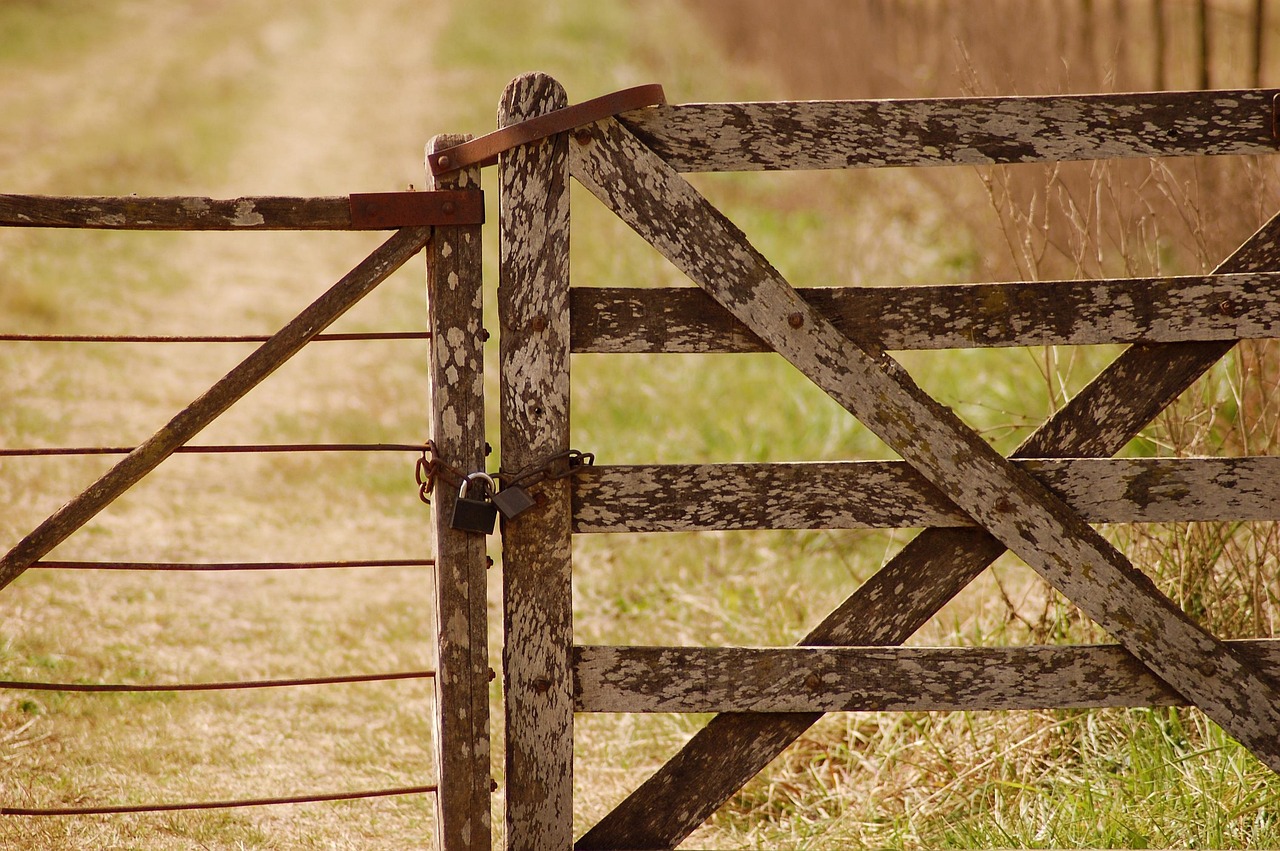
A driveway gate should sit far enough back from the road that a vehicle can pull completely off the pavement while the gate opens, with clear sight lines in both directions. A common target is room for the longest vehicle that uses the drive, often twenty to thirty feet of stacking space, though local rules and the road itself set the final number.
Where a gate sits along the driveway affects safety, traffic and everyday convenience. A gate placed right at the road forces drivers to wait in the travel lane, and the rear of a long vehicle can stick out into traffic. A gate set back gives breathing room, keeps the road clear and makes the entry more pleasant. The tradeoff is that a gate set far back protects less of the property and may need more driveway width or a longer wire run for power.
What stacking space is
Stacking space is the length of driveway between the road edge and the closed gate. It is where a vehicle waits while the gate opens. The ideal length equals the longest vehicle that regularly uses the entry, plus a margin. A passenger car is about sixteen feet long, a large pickup or SUV about twenty feet, and a truck with a trailer thirty feet or more.
If several vehicles may arrive at once, such as at a gathering or a business, the space may need to hold two or three. Homes with a quiet road and a single driver may need far less. The question is simple: when a vehicle stops at the gate, does any part of it remain in the road?
Sight lines
A driver pulling out must see oncoming traffic, and approaching drivers must see a vehicle turning in. Gate posts, columns, walls, landscaping and signs can block these views. The faster the road, the longer the sight distance needed. Counties and cities often set minimum sight distances for driveway entries, and a gate near the road is part of that review.
Stand at the proposed driver position, at eye height in a car, and look both ways. Notice what blocks the view. Heavy shrubs, masonry columns and solid walls close to the road are the usual culprits, and low open designs near the corners help keep views clear.
Right of way and setbacks
The strip next to the pavement is usually public right of way, even if it is mowed like a lawn. Posts, columns and gate leaves should stay on private property. Many cities require structures to sit back from the property line by a set distance, and some count gates and columns as structures. A call to the local office settles this before any digging starts, and a separate article covers permits and setbacks in more detail.
Corner lots add more rules. Visibility triangles near intersections limit the height of walls, plants and gates so that drivers can see cross traffic. A gate within the triangle may have to be low and open.
The driveway apron and drainage
The apron where the driveway meets the road is shaped to carry water and traffic. A gate should not interfere with the culvert, the ditch or the curb. In rural areas, a driveway often crosses a roadside ditch through a culvert, and a gate placed too close may sit right on top of it. Concrete footings near a culvert can crack or block water.
Check the slope as well. A gate at the bottom of a hill may collect runoff, and one at the top may be harder to open when the ground is wet. Good drainage around the posts protects both the metal and the opener.
Pull in lanes and turnouts
On busy roads, some properties add a small turnout or widened entry so that a vehicle can leave traffic before the gate. A wide apron, a gentle flare or a short pull in lane gives extra margin. This also helps delivery trucks and large vehicles that cannot make a tight turn off the road.
Power, wiring and access
A gate set back from the road is farther from the house and from utilities. Running low voltage wire or power over a long distance adds cost and may need larger cable to avoid voltage loss. Solar powered operators can solve the distance problem where electrical lines are not near. A keypad or call box needs to sit where a driver in the stacking space can reach it from the vehicle window, which means it is placed on the driver's side and close to the stopping point.
Emergency and service vehicles
Fire trucks, ambulances and utility crews need quick access. A gate that opens by a siren sensor or a lock box helps, and a setback that allows a large vehicle to stop off the road keeps access clear. Deep setback also reduces the chance that an emergency vehicle blocks the road while waiting.
A practical way to decide
- List the longest vehicle that will wait at the gate.
- Add a few feet of margin and mark the spot on the driveway.
- Stand there and check sight lines in both directions.
- Confirm the local setback and right of way rules.
- Consider drainage and culvert locations.
- Plan the keypad position and power route.
When the setback is right, nobody notices it. Vehicles pull in, wait, and move on without stopping traffic, and the entry looks like it was meant to be that way.
Questions to settle before ordering
Three questions decide most setback layouts. First, who parks or waits at the gate most often, and in what vehicle? A household with one sedan has very different needs from one with a truck and a stock trailer. Second, how fast is the road, and is there a blind curve or hill within a few hundred feet? Fast traffic and poor visibility argue for a deeper setback. Third, is the driveway straight? A curved drive can hide a stopped vehicle from the road, which is good for privacy but means the gate position must be marked in the field, not guessed from a drawing.
Walk the driveway with a helper and a tape. Have the helper stand where the gate would go while someone else watches from the road at driving speed. If the gate and its posts are hard to see in time, move them or add reflective markers. Photographs taken from the driver seat of a parked car make good notes for the fabricator and the installer.