Home / Choosing a Metal Gate Finish for Leander Weather
Choosing a Metal Gate Finish for Leander Weather
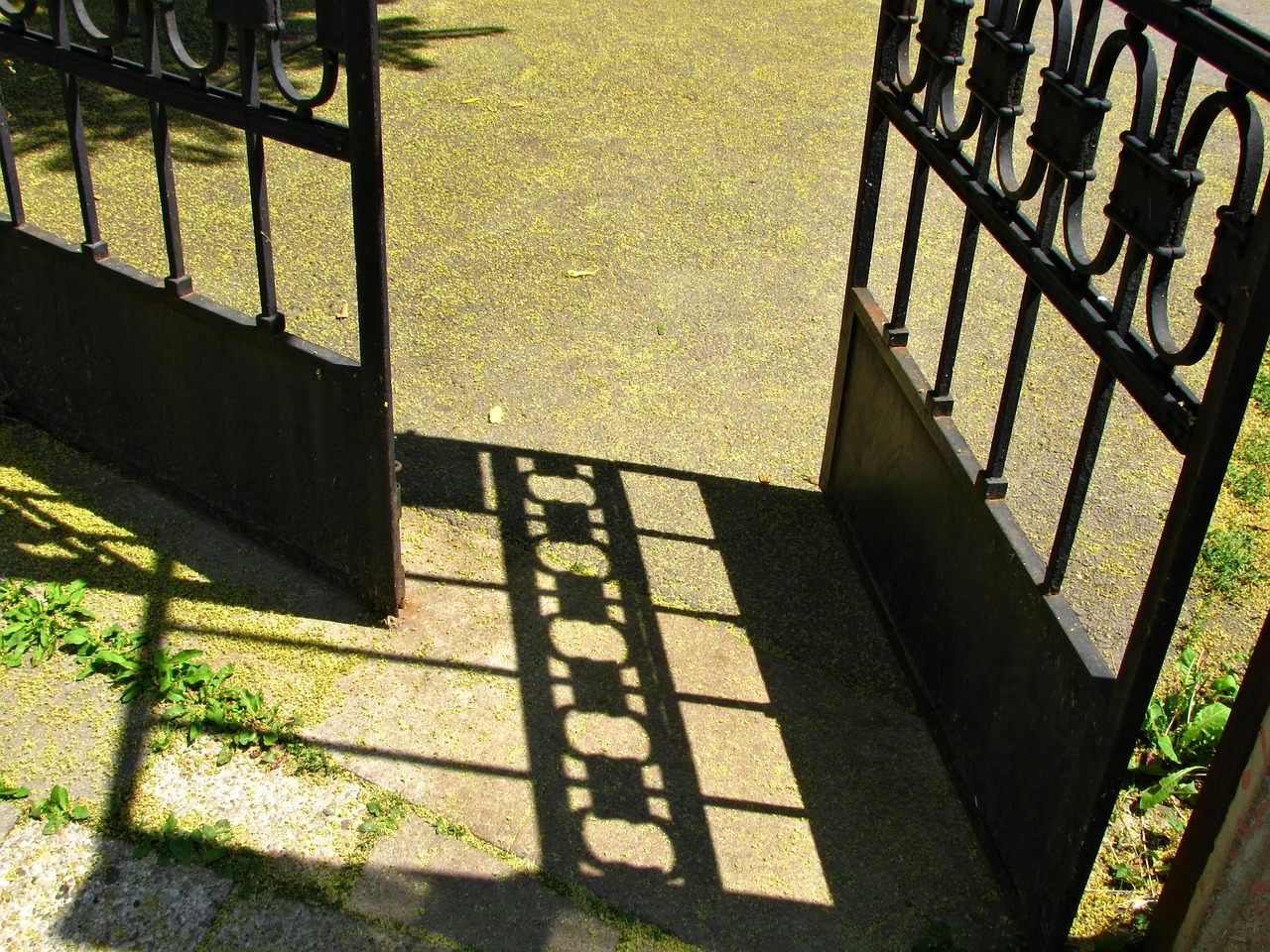
The best finish for a metal gate in Leander is a powder coat applied over properly cleaned steel or aluminum, with a galvanized or zinc rich base under it when the gate is steel. That combination stands up to hot summers, hard afternoon storms, hail and the occasional freeze better than ordinary brush on paint, and it keeps its color far longer under intense sun.
Finish is the part of a gate homeowners notice every day, and it is also the part that fails first. A frame can be perfectly sound while the coating chalks, peels and lets rust creep in at the welds. Understanding what each finish does helps you choose one that suits the weather instead of one that only looks good the week it is installed.
What the local weather does to a finish
Central Texas is hard on coatings in a few specific ways. Summer sun delivers strong ultraviolet light for months, and surfaces can get hot enough to soften cheap paint. Sudden thunderstorms drive water into every seam and weld, and the ground stays damp near the base of posts long after the rain stops. Hail can chip a coating and expose bare metal in a single storm. Winter nights now and then drop below freezing, which pushes water that has crept into a gap to expand and lift the finish.
A good finish has to resist ultraviolet fading, shed water, bond tightly enough to survive impact and flex slightly with temperature swings. No coating does all of this perfectly, so the choice is about trade offs and about preparation of the metal beneath.
Powder coating
Powder coating is the standard for quality gates. The process sprays dry powder onto clean metal, then bakes it so the powder melts and cures into a hard, even shell. The result is thicker and tougher than most liquid paints, and it covers edges and corners well. Because the part goes into an oven, the coating is applied in a shop, which means a gate is built, finished and then installed, rather than painted on site.
Powder coat comes in a wide range of colors and textures, including smooth gloss, satin and a fine texture that hides small blemishes. Black is the classic choice for gates and suits nearly any home. Darker shades absorb more heat, so a black gate in full afternoon sun can get uncomfortably hot to touch, a fact worth remembering for latches and handles.
The weak point is a chip. Once the coating breaks and bare steel is exposed, moisture can get underneath and spread. Small chips should be touched up promptly with a compatible paint.
Galvanizing and zinc primers
Galvanizing coats steel with zinc, which protects it in two ways. The zinc forms a barrier, and if the coating is scratched, the zinc corrodes in place of the steel nearby. Hot dip galvanized frames last a very long time even in damp conditions. A galvanized gate can be left as is, but most owners want a color, so the surface is lightly prepared and then powder coated or painted over the zinc.
When hot dip galvanizing is not practical, a zinc rich primer applied to bare steel offers a similar benefit in a brushable or sprayable form. It is a good base under a topcoat on welded gates where every weld seam is a potential rust spot. The key is to apply it to clean, bright metal and to cover welds, corners and the insides of hollow sections where they are accessible.
Liquid paint systems
Quality liquid paint has a place, especially for field repairs and for gates that are too large or too delicate for shop baking. The best systems use a rust inhibiting primer followed by two coats of a durable enamel or polyurethane topcoat. Applied carefully over well prepared steel, they can last for many years.
Cheap paint sold as a one step product often fails quickly under Texas sun. It fades, chalks and peels, and the repair is a tedious job of scraping and sanding. If a gate will be painted, spend the time on preparation. Wire brush or sand away loose rust, remove old flaking paint, wipe off dust and oil, prime bare spots and let each coat cure fully before the next.
Aluminum and anodizing
Aluminum does not rust, but it does oxidize, forming a thin, chalky layer that is mostly cosmetic. Aluminum gates are usually powder coated for color and uniformity, and the coating on aluminum is more forgiving because there is no rust to start under a chip. This makes aluminum a low maintenance choice for homeowners who dislike repainting.
Anodizing is another option, an electrochemical finish that hardens the surface. It is more common on architectural products than on residential gates, and color choices are narrower. For most homes, a powder coat on aluminum is the practical answer.
Surface preparation decides the outcome
The finish is only as good as the metal under it. For steel, shops usually blast the surface to remove mill scale and rust, then treat it with a conversion coating or a primer before the final finish goes on. For aluminum, cleaning and a light etch help the coating grip. Skipping these steps is the most common reason a coating fails early, and it is invisible when the gate is new.
Ask the fabricator how the metal is prepared, not only which coating is used. A shop that can describe its cleaning and pretreatment process is more likely to deliver a finish that lasts.
Details that protect the finish
Design choices affect how long a finish survives. Hollow tubes need drain holes at low points so water does not sit inside. Horizontal surfaces that hold water, such as flat top rails, should have a slight slope or a cap. Welds should be ground smooth before coating, because sharp edges and pits are where coatings thin out. Hardware made from stainless steel or coated metal avoids the rust streaks that cheap fasteners leave on a pale finish.
Posts need attention too. The section just above and below ground level stays wet and takes the most punishment, so it is worth protecting with extra coating, or setting the post in a concrete footing that slopes away from the steel so water runs off rather than pooling at the base.
Choosing a color for Leander homes
Dark neutrals dominate for good reason. Black, charcoal and deep bronze hide dust, blend with stone and brick, and look correct on most house styles. A gate colored to match the window frames or the front door can tie an entry together. Pale colors show dirt and pollen quickly, and bright colors fade faster in strong sun, so they suit homeowners who accept more upkeep.
A neighborhood association may restrict color, so check the design guidelines before ordering. Having a sample coated before committing is worth the small delay, since color on a screen and color on a gate in afternoon sun can look different.
A simple care routine
Even the best finish lasts longer with light attention. Rinse the gate with a garden hose a few times a year to remove dust and pollen. Wash with mild soap and a soft cloth when grime builds up, and avoid harsh solvents or abrasive pads that scratch the surface. Look over the gate each spring and fall for chips, scrapes and early rust, especially near hinges, latches and the bottom rail. Catching a small chip early takes a few minutes with a touch up brush, while a neglected one can turn into a full repaint.
Choose a finish that matches the weather, insist on good preparation, and give the gate a quick look each season. That is the whole recipe for a gate that still looks sharp long after the installation day.